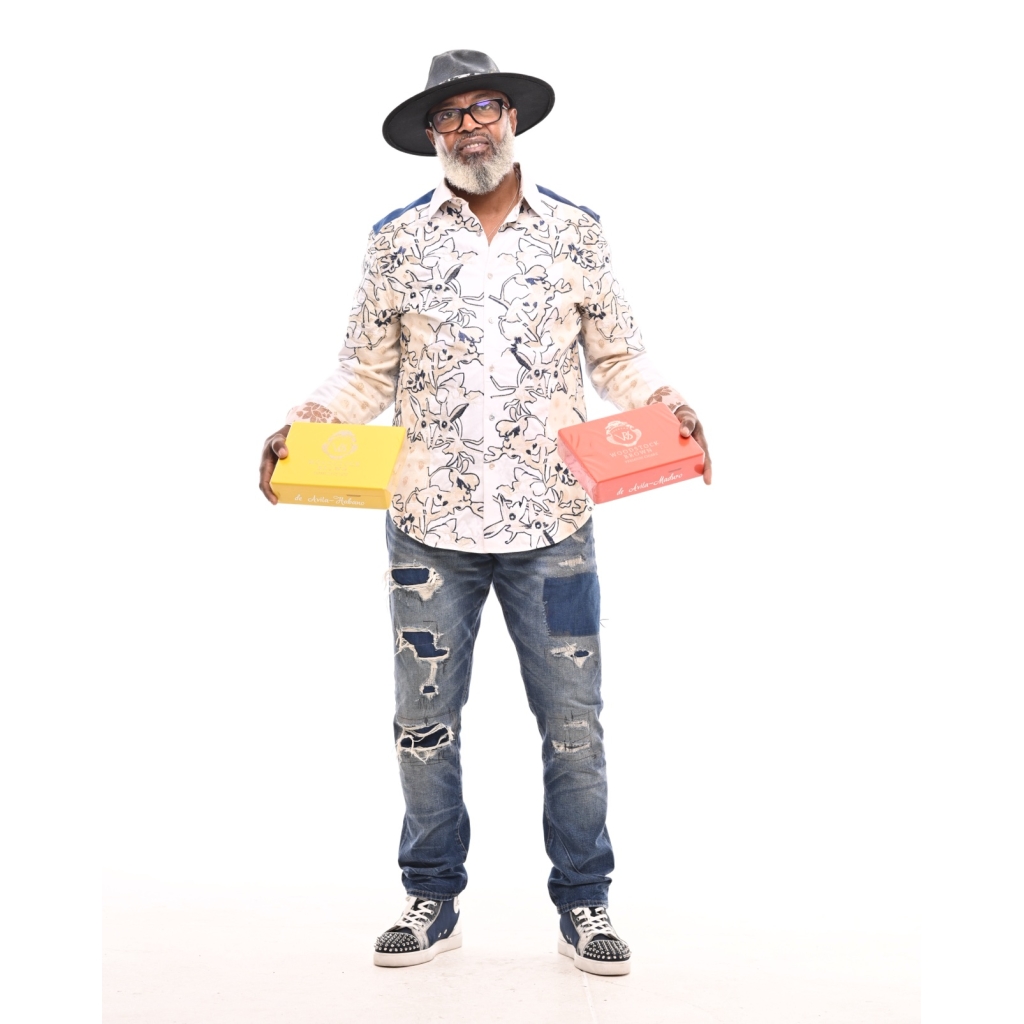
- Ask most cigar smokers to name the great tobacco countries and you’ll hear Cuba, the Dominican Republic, and Nicaragua — usually in that order. Panama rarely makes the list. That’s not because Panamanian tobacco isn’t good. It’s because for decades, much of it has been quietly blended into other people’s cigars, without ever getting its name on the band.We built Woodstock Brown around changing that. Our cigars put Panamanian tobacco front and center, so smokers ask us one question more than any other: what does Panamanian tobacco actually taste like compared to Nicaraguan?
Here’s the honest answer — including where Nicaragua genuinely shines.
First, a fair warning: country is only part of the story
Before we compare, one thing every experienced smoker knows: a cigar’s flavor doesn’t come from its country alone. The wrapper, the blend of filler tobaccos, how long the leaf was fermented and aged, and the skill of the roller all shape what you taste. A badly made Panamanian cigar will lose to a well-made Nicaraguan one every time.
But soil and climate — what wine drinkers call terroir — set the range of flavors a leaf can offer. And on that front, Panama and Nicaragua are genuinely different places, so their tobaccos taste genuinely different.
Why Nicaraguan cigars taste the way they do
Nicaragua is a tobacco powerhouse, and it earned that reputation. Most of its premium leaf comes from three northern regions — Estelí, Condega, and Jalapa — plus the volcanic island of Ometepe in Lake Nicaragua.
That volcanic soil grows bold leaf. Nicaraguan cigars are known for:
- Earth and spice up front — black pepper, leather, and rich earth are the classic notes
- Medium-full to full strength — Estelí leaf in particular brings real power
- A long, hearty finish — the kind of smoke that stands up to a strong whiskey
If you like a cigar that announces itself, Nicaragua is probably already your go-to. There’s a reason so many of the world’s top-rated, full-bodied cigars are Nicaraguan puros — cigars made entirely from one country’s leaf.
Why Panamanian cigars taste different
Panama’s tobacco country is smaller, higher, and wetter. Much of the leaf we use comes from the Chiriquí highlands in western Panama — the same volcanic region, around Boquete, that grows our Panama Red Geisha coffee at roughly 1,650 meters above sea level. Smaller production means less industrial farming and, in our experience, a more distinctive regional character.
Panamanian cigars tend to be known for:
- A smoother, more nuanced profile — layered rather than loud
- Natural sweetness and warmth — look for cocoa, coffee, toasted nuts, and warm baking spice rather than sharp pepper
- Medium to medium-bold body — satisfying without overwhelming, so the flavors stay in focus
- A cleaner finish — the smoke tends to resolve instead of building into heaviness
Think of it this way: if a classic Nicaraguan cigar is a bold red wine, a Panamanian cigar is closer to a well-aged rum — both have depth, but one leads with power and the other with character.
The Panama leaf hiding in plain sight
Here’s the part that surprises people. As our founder Daniel Lewis has said when asked why he started Woodstock Brown, Panamanian tobacco has been used in premium cigars for a long time — it’s just rarely credited on the packaging. Blenders have long valued it for the smoothness and distinctive flavor it adds to a blend.
So there’s a fair chance you’ve already smoked Panamanian tobacco. You just never got to taste it as itself — as the main event instead of a supporting player. That’s exactly the experience our hand-rolled cigars from Panama are made to deliver.
So which one should you choose?
Choose Nicaraguan-leaning smokes if you want maximum strength, heavy earth and pepper, and a cigar that holds its own after a steak dinner with a strong pour beside it.
Choose Panamanian cigars if you want to taste the tobacco itself — layered, slightly sweet, complex flavors that develop as you smoke — or if full-strength cigars usually bowl you over. They’re also a natural pairing with coffee, which is no coincidence: the same highlands grow both.
Choose based on the moment, not the flag. A medium Panamanian cigar with morning coffee and a full-bodied smoke after dinner aren’t competitors. Most humidors are better with both in them. If you’re not sure where your palate sits, our cigar profiles break down each of our blends by wrapper, strength, and flavor so you can match a cigar to the moment.
Taste the difference yourself
Two of ours show the Panamanian character particularly well:
- Chiriqui — named for Panama’s Chiriquí Province, with a Habano wrapper, a medium-to-bold body, and a little spice woven through that Panamanian smoothness. This is the one we hand people who think Panama means “mild.”
- Bocas Del Toro — a Panamanian blend under a Mexican Maduro wrapper, medium to a touch stronger than medium. Darker and richer, but the tobacco underneath still speaks with that clean, layered Panamanian accent.
Smoke one of those alongside your favorite Nicaraguan cigar and pay attention to the finish: where the Nicaraguan smoke builds in weight, the Panamanian one tends to unfold in layers. Once you taste that difference, you’ll understand why we put Panama’s name on the band — proudly and on purpose.
Browse our hand-rolled Panamanian cigars and taste what you’ve probably been smoking all along — finally, front and center. We sell in boxes of 20 and bundles of 25: to order, email us at service@woodstockbrown.com.